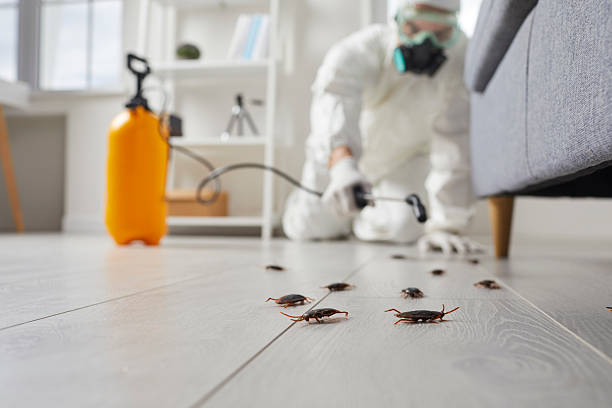
A line of ants across your counter is a scouting trail, not the problem — we trace it back to where the colony actually lives. A colony that seems to vanish overnight after a home spray often hasn't died at all — it's budded into two or three new colonies elsewhere in the structure. Most established ant problems involve more than the one visible trail you initially called about.


Carpenter, odorous house, and fire ants each need different bait and treatment — we identify before treating.
Carpenter ant sightings, in particular, get prompt scheduling given the possibility of wood damage.
Pricing is set after inspection and species ID, not billed by how many ants you counted. Matching bait chemistry to species preference on the first visit is what keeps colony elimination on a one-to-two-week timeline instead of longer.
Slow-acting gel and granular bait for colony transfer, plus perimeter barrier for long-term exclusion. We also document which trails led back to which harborage points, useful if a related colony resurfaces elsewhere later.

Carpenter ants excavate wood rather than eat it — we locate galleries via sound detection and frass patterns first.
These ants form interconnected satellite colonies — bait is formulated to transfer across the whole network.
Individual mound treatment combined with broadcast bait for yards with multiple active mounds.
Foundation-line baiting and crack sealing for the small ants common along driveways and slabs.
Gel bait placed along observed indoor trails, matched to the species' feeding preference. Satellite colonies can form in wall voids, under slabs, or inside landscaping timbers, so we check more than just the kitchen trail.
Recurring perimeter service catches seasonal pressure before it becomes an indoor problem. We often suggest trimming vegetation touching the siding, since branches give ants an easy bridge past barrier treatment.
Trail details shape which bait formulation we bring on the truck.
A technician arrives with multiple bait types on hand to match whichever species gets confirmed on inspection.
Inspection includes tracing to the nest and checking structural wood when relevant.
You get baiting plus a scheduled recheck, not just a scattered colony.
Turned out to be carpenter ants, not the odorous house ants we assumed. Glad they checked before spraying anything.
Fire ant mounds treated individually plus a broader bait pass. Haven't seen a new mound since.
The kitchen counter trail disappeared within a week once they placed bait instead of just spraying it away.
Appreciated the explanation of why spraying visible ants doesn't fix anything long-term.
Landscaping crew flagged carpenter ant frass around our pergola before we noticed. Technician confirmed no structural involvement and treated the colony directly.

We serve Alafaya and the wider Alafaya, FL area, prioritizing rapid response for carpenter ant reports given the wood-damage risk. We track which Alafaya block types correlate with specific ant species pressure. Knowing which species trends upward in which season lets us set realistic expectations for how quickly a job typically resolves.

Spraying the trail kills foragers but leaves the queen untouched, and can cause the colony to split and relocate.
Look for bigger ants and fine wood-shaving debris — a byproduct of their excavation.
Colony elimination via bait typically takes one to two weeks as it spreads through the nest.
Yes — mounds often need direct treatment plus broadcast baiting, since a colony can have multiple mounds scattered widely.
Bait removes the existing colony, and ongoing perimeter service reduces the odds of a repeat. A recurring perimeter visit every season is usually enough to keep new colonies from establishing near the foundation.
We place bait away from where pets typically roam, and can discuss specific concerns at scheduling. Trimming vegetation that touches the siding removes an easy bridge past any barrier treatment.
Correct species ID is the difference between a lasting fix and ants back on your counter next month.
Call +1-844-564-2570