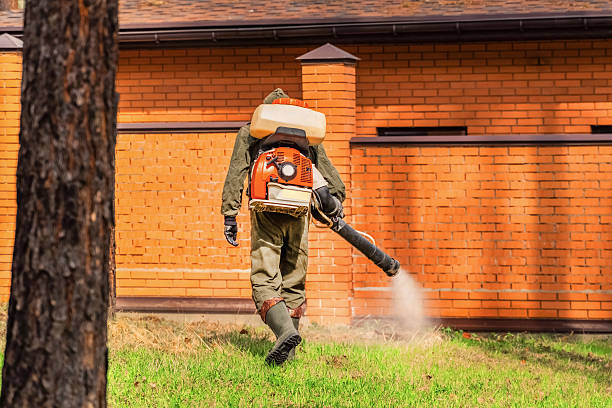
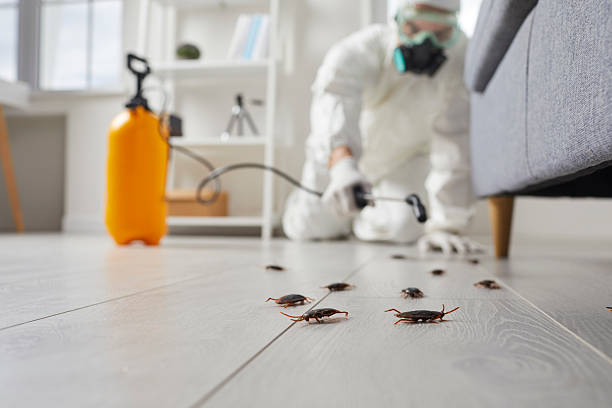
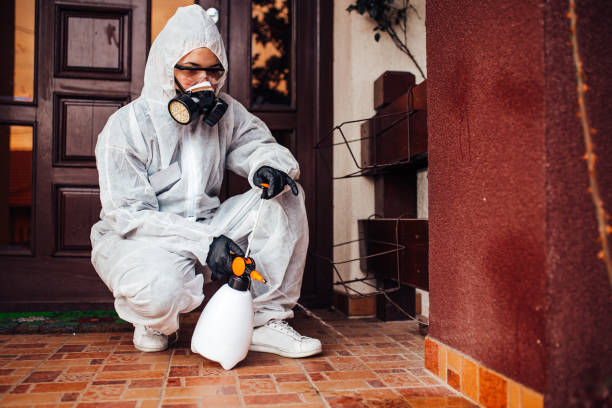
Spraying the trail you see just scatters the colony — our Canton, GA technicians identify the species and bait to eliminate the source. Ants are notorious for colony budding when disturbed by the wrong treatment, exactly the outcome bait-first treatment avoids. A single confirmed nest rarely explains everything happening in a house with an established ant problem.


Carpenter, odorous house, and fire ants each need different bait and treatment — we identify before treating.
We prioritize dispatch whenever structural wood involvement is even a possibility.
Fixed quote for baiting and perimeter treatment before we start, based on colony type and property size. Matching bait chemistry to species preference on the first visit is what keeps colony elimination on a one-to-two-week timeline instead of longer.
We favor baiting that reaches the queen over contact spray that only kills what it touches. We also document which trails led back to which harborage points, useful if a related colony resurfaces elsewhere later.

Because these signal possible wood damage, we pair baiting with a check for hollow-sounding wood.
Treatment targets the full colony network, not just the visible trail.
We hit visible mounds directly and broadcast more broadly to catch mounds not yet surfaced.
Pavement ants nest under slabs — treatment focuses on foundation-level entry points.
Gel bait placed along observed indoor trails, matched to the species' feeding preference. Satellite colonies can form in wall voids, under slabs, or inside landscaping timbers, so we check more than just the kitchen trail.
Ongoing exterior barrier intercepts colonies before they establish trails indoors. We often suggest trimming vegetation touching the siding, since branches give ants an easy bridge past barrier treatment.
Trail details shape which bait formulation we bring on the truck.
We come prepared for several possibilities since final ID often happens on-site.
We identify the species, trace the trail toward its source, and check for wood damage if carpenter ants are suspected.
You get baiting plus a scheduled recheck, not just a scattered colony.
Turned out to be carpenter ants, not the odorous house ants we assumed. Glad they checked before spraying anything.
Fire ant mounds treated individually plus a broader bait pass. Haven't seen a new mound since.
The kitchen counter trail disappeared within a week once they placed bait instead of just spraying it away.
Appreciated the explanation of why spraying visible ants doesn't fix anything long-term.
Landscaping crew flagged carpenter ant frass around our pergola before we noticed. Technician confirmed no structural involvement and treated the colony directly.

Coverage spans Canton and nearby communities, with faster scheduling when structural involvement is suspected. We track which Canton block types correlate with specific ant species pressure. We keep a rough seasonal calendar of when each species tends to become active in this region, which helps set expectations for how long a treatment plan typically runs.

Spraying the trail kills foragers but leaves the queen untouched, and can cause the colony to split and relocate.
They're larger than most household ants, often black or black-and-red, and you may notice small wood shavings near baseboards.
Colony elimination via bait typically takes one to two weeks as it spreads through the nest.
Yes — mounds often need direct treatment plus broadcast baiting, since a colony can have multiple mounds scattered widely.
Colony elimination clears the current infestation; a seasonal perimeter program helps prevent a new one establishing. Seasonal exterior treatment is the most reliable way to prevent a fresh colony from moving in after the current one clears.
We place bait away from where pets typically roam, and can discuss specific concerns at scheduling. It also helps to keep mulch pulled back from the foundation a few inches, since that alone reduces bridge points significantly.
Correct species ID is the difference between a lasting fix and ants back on your counter next month.
Call +1-844-564-2570