Spraying adults without treating standing water is a short-term fix — our Mill Creek, WA crew hits both the barrier and the breeding source. Regional disease risk is a real factor here, not just comfort, in why standing water treatment matters. Even one overlooked water source nearby can meaningfully shorten how long a barrier treatment feels effective.


Trained in vector biology and larvicide application, following state abatement guidelines — not just adult knockdown spray.
Standing seasonal contract or a backyard event next weekend — Mill Creek scheduling handles both.
Per-visit or seasonal package pricing, cost clear before the first spray goes down. Backpack sprayers are calibrated to label rate before each job, since over-application wastes product without improving results.
Both adulticide barrier and larvicide product for breeding sites are standard equipment on our trucks. We inspect irrigation and drainage specifically, since a single leaking valve can quietly sustain breeding all season.

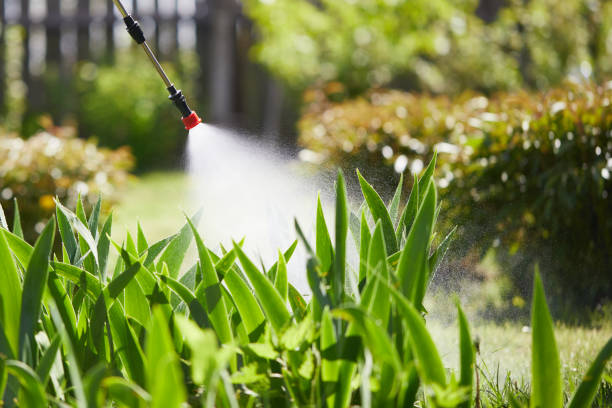
Residual spray on foliage, fence lines, and shaded resting spots where adults hide during the day.
Every job starts with finding breeding sources most homeowners never notice.
Ponds and drainage that can't be removed get larvicide instead of spray, stopping larvae before adulthood.
Treatment every 21 days through peak season keeps the barrier effective as new mosquitoes migrate in.
We treat around a target date so an outdoor event isn't compromised by mosquito activity. Yards with significant tree cover get extra attention to shaded resting zones that a standard pass might miss.
Many Mill Creek customers combine mosquito and tick treatment in one visit for full yard coverage. It helps to check for new containers holding water after storms, since a single overturned bucket can restart breeding within days.
Let us know if this is ongoing seasonal service or a one-time treatment ahead of a specific date.
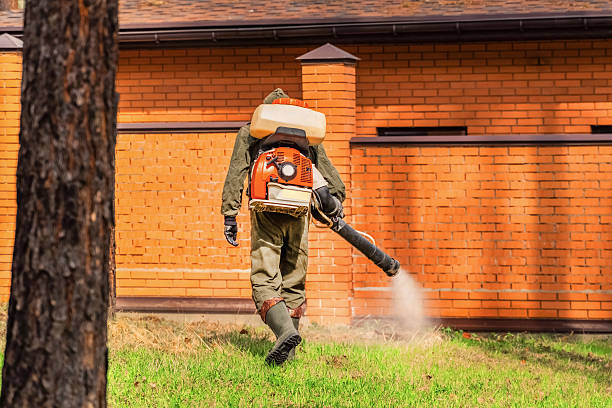
A technician arrives with backpack sprayers and larvicide loaded for both barrier and breeding-source work.
The inspection maps every breeding source and resting area specific to your yard.
Barrier spray applies and larvicide gets placed where needed, with a 21-day re-treatment scheduled on seasonal plans.
Found a clogged gutter section we never checked — apparently the whole problem. Yard's usable at night again.
Booked one-time treatment ahead of my daughter's graduation party. Backyard was clear for the event.
Seasonal plan has been consistent every three weeks. Big difference from doing it ourselves with store spray.
They combined mosquito and tick treatment since we border a wooded lot. One visit covered both.
HOA board member here. We put the whole common area and walking trail on a seasonal barrier program and complaints dropped off almost entirely.

Coverage includes Mill Creek and nearby communities, with scheduling flexibility for recurring and time-sensitive requests alike. Homes near retention ponds or drainage canals in Mill Creek typically need combined barrier-and-larvicide treatment rather than spray alone. We also note nearby untreatable water sources, like a neighbor's pool or a public drainage ditch, so you understand what's outside our ability to treat directly.

Residual barrier typically holds about three weeks before new activity requires re-treatment.
Both — barrier spray handles adults while larvicide treats standing water we can't drain. A single missed water source nearby can shorten how long a barrier treatment stays effective, so we always ask about the whole surrounding area, not just the yard itself.
We use products labeled safe for treated areas once dry, and flag any specific concerns during scheduling.
Event treatment is common; we time application to peak effectiveness for your date.
Water features need a different approach — larvicide — because spray only affects adults, not larvae. We can also advise on simple landscaping changes — trimming dense shrubs, thinning standing vegetation — that reduce resting habitat between visits.
A three-week cycle is typical, though heavier rain sometimes calls for tighter scheduling. It also helps to check for new containers holding water after storms, since a single overturned bucket restarts breeding fast.
Season-long program or single event — we can get you scheduled fast.
Call +1-844-564-2570