Termite damage builds quietly for years before it's visible — our Grape Creek, TX inspectors know exactly where to look first. Homeowners insurance almost never covers termite damage, which makes early detection the only real financial protection you have.


Inspection documentation is formatted for lenders, not just a verbal summary of what was found.
We move fast on visible swarm or mud-tube reports, since waiting rarely shrinks the problem.
Foundation perimeter measurements set the price, given to you before treatment starts. Bait station monitoring logs are kept on file and available to you at any time, not just at the annual check-in.
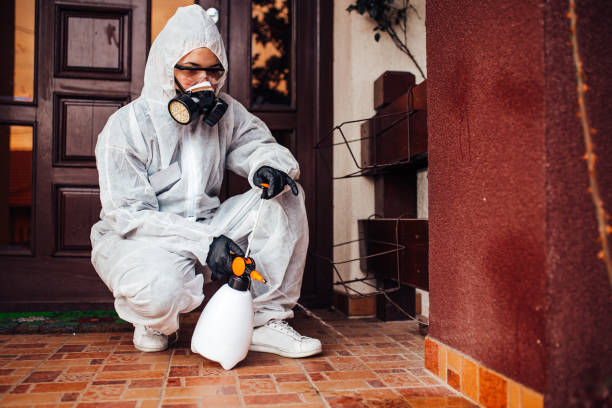
Borate treatments and termiticide injection rods, not a surface spray that only repels rather than eliminates. We also carry backup moisture meters, since accurate readings separate a real diagnosis from a guess.

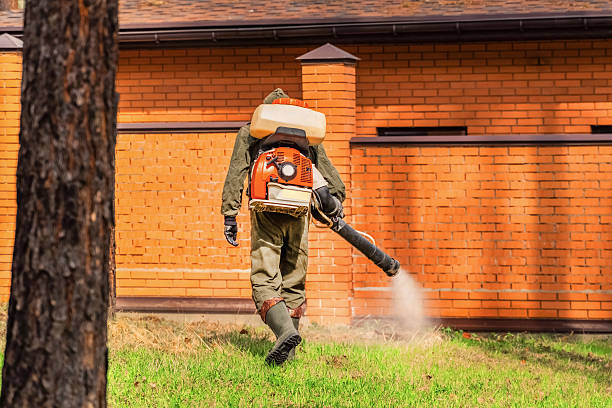
Worker termites carry the termiticide back to the colony, which is the point of a full perimeter trench.
Stations placed at intervals, checked on schedule to intercept colonies before they reach the structure.
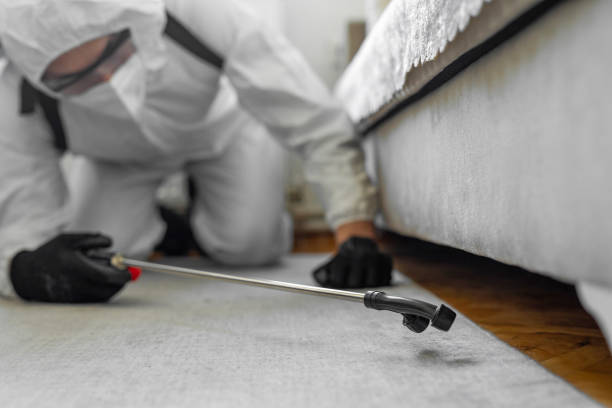
Localized injection, and structural fumigation when needed, for colonies living inside the wood itself.
We can turn around official wood-destroying organism reports fast for a closing deadline.
We assess joists, sill plates, and subfloor before connecting you with repair contractors. Moisture-prone crawl spaces are checked closely, since that's frequently where subterranean activity shows up before it's visible elsewhere.
New construction gets a termite barrier in place before the concrete goes down, not after. A yearly check-in catches soil grading or mulch buildup around a foundation before it becomes a new pathway.
Location and type of sign determine whether this is a subterranean or drywood dispatch.
An inspector arrives with moisture meters and acoustic tools to confirm activity before recommending anything.
Full foundation and accessible wood get inspected, with findings documented in writing.
Treatment is scheduled with a written warranty term, plus a monitoring schedule if bait stations go in.
Found mud tubes behind our water heater during a routine check — caught it before it reached the framing.
Needed a WDO report fast for a closing deadline. Had it in my inbox the same day as the inspection.
Bait stations checked every quarter for two years straight. No surprises, no missed visits.
They found drywood termites in a rafter we'd never have checked ourselves. Saved us a much bigger repair.
Refinancing required a current WDO report and ours had expired. They got an inspector out within two days to meet the lender deadline.

Licensed inspectors cover Grape Creek and the surrounding Grape Creek, TX region, with priority given to active swarms, mud tubes, and closing deadlines. Older Grape Creek neighborhoods with mature tree cover tend to carry higher subterranean termite pressure, which shapes inspection priority. We also track regional soil moisture trends, since drought years and wet years both shift where subterranean colonies tend to concentrate.

Subterranean colonies live in soil and travel via mud tubes; drywood colonies live entirely inside dry wood, no soil contact needed. We're glad to walk through the difference between preventive and curative treatment options during the initial inspection call.
Cost depends on foundation size and whether it's liquid barrier or bait stations, quoted in writing after seeing the property.
A wood-destroying organism report is commonly required for financing, and we issue licensed reports formatted for that.
Non-repellent barriers typically carry a multi-year warranty, with annual re-inspection recommended.
Over-the-counter sprays usually repel locally rather than eliminate the colony, which can complicate professional treatment later. We can also advise on landscaping changes — mulch placement, irrigation adjustments — that reduce moisture conditions termites favor.
Seeing a swarm is often the first visible sign a colony has matured enough to reproduce. It's also worth scheduling an annual re-inspection even after initial treatment, since new conducive conditions can develop.
A documented inspection today costs less than structural repair later.
Call +1-844-564-2570